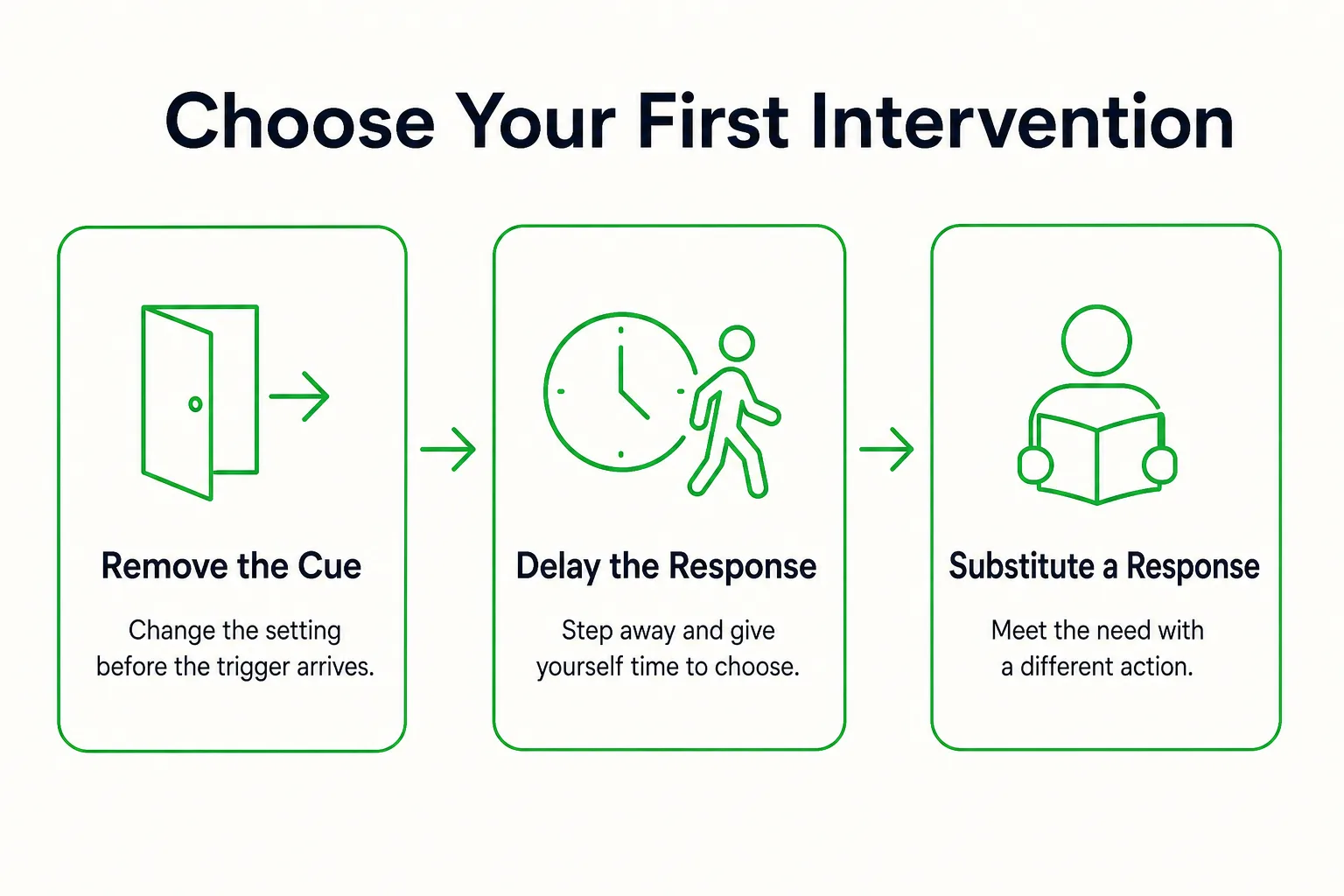
To stop bad habits, notice what prompts the behavior, interrupt your usual response, and choose a replacement that meets the same need. Start with the next likely urge and prepare for it today. You can remove a cue you control, delay when the urge is already here, substitute a different action, or get support when the behavior calls for it.
Say you open your phone whenever a writing task gets difficult. Opening the phone is the visible behavior; escaping uncertainty may be the payoff. Spotting that difference helps you choose a response that fits. First, here is what to do when the urge starts.
What to Do When an Urge Starts
- During the first minute, step away from the cue. Put down the object, close the app, or move to another spot. Make a little space between the urge and your usual response.
- For the next three minutes, notice what is happening. Name the urge without judging it. Take comfortable breaths and pay attention to sensations, such as tension in your hands or a restless feeling. Urge surfing means noticing an urge as it rises and changes without automatically following it.
- Choose a replacement and set a delay. Pick one small action that fits the need, then set a 15-minute timer before deciding whether to return to the behavior. Cleveland Clinic advises that delaying the behavior for 15 minutes can lower temptation. Treat the timer as time to choose, not a deadline by which the urge must disappear.
If the behavior involves possible dependence, withdrawal, self-harm, or immediate danger, seek appropriate medical or emergency support. Do not abruptly stop alcohol or sedatives if dependence may be present.
Find the Need Behind the Habit
Choose one observable behavior to work on, such as opening social apps while writing, rather than judging yourself as lazy. The APA advises focusing on one change at a time. A small target makes it easier to see what prompts the behavior and what happens next.

Use cue, routine, and reward as a quick map: what happens first, what you do, and what you get from doing it. For a closer look at that pattern, read the habit loop explanation. To spot context, note when, where, with whom, and how you feel, then ask what changed immediately after the behavior.
Try this short root-cause exercise:
- Name the situation: A difficult paragraph is on the screen.
- Name a possible need: You may want relief from uncertainty, or stimulation, avoidance, connection, or rest. Treat these as possibilities to check, not diagnoses.
- Choose a response that serves it: Write one rough sentence or ask a specific question about the paragraph.
Here, scrolling offers a quick escape from not knowing what to write. One rough sentence or a specific question gives you a way back into the task. If the pattern is hard to spot, use a habit scorecard audit to see where the behavior fits into your day.
 Loggd · by the makers of this blog
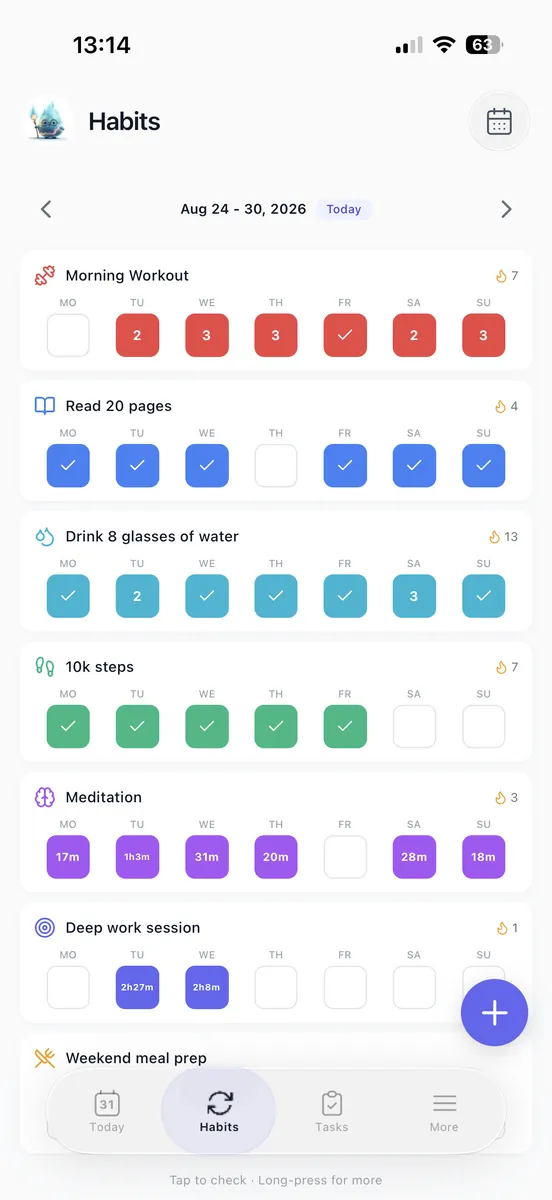
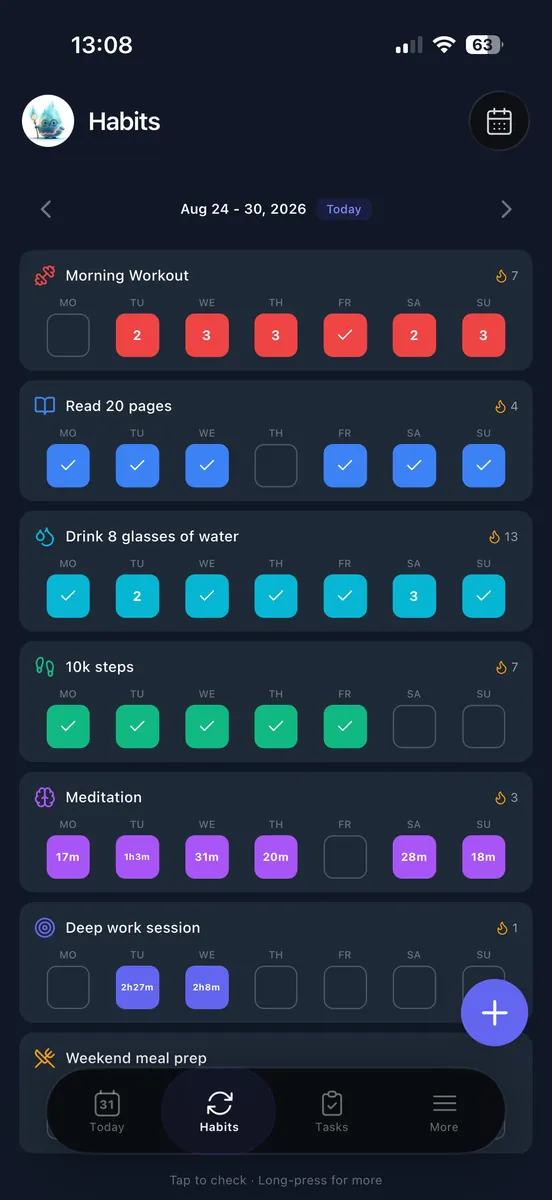
Track your habits, tasks and goals in one free app.
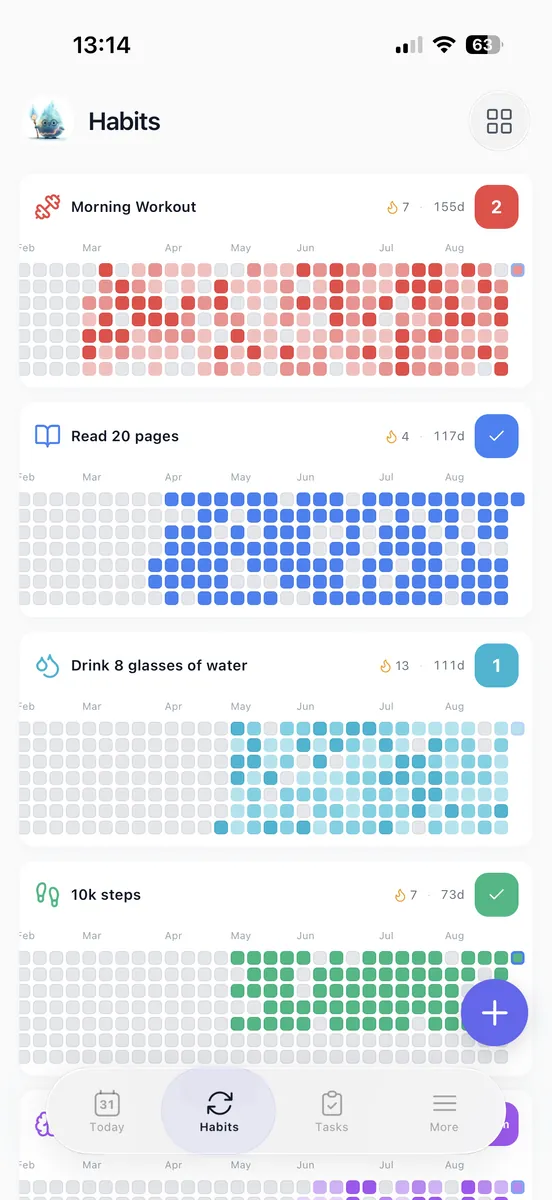
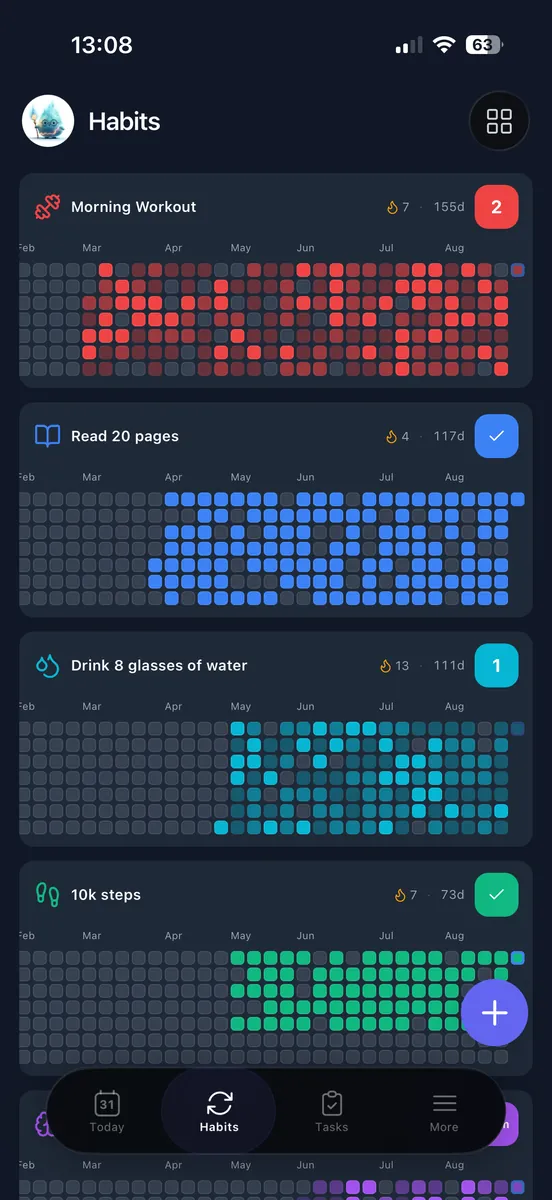
Every day you check off fills in a grid of your last 365 days, so you can see if you are getting better.


Free plan with no time limit. No credit card.


Match the Fix to Your Trigger
| Trigger | Need to check | First intervention | Replacement response |
|---|---|---|---|
| Boredom | Stimulation | Delay the urge and choose an engaging activity | Do a short puzzle or take a brisk walk |
| Stress | Relief | Pause before responding | Take a brief walk and breathe comfortably |
| Fatigue | Rest | Reduce the demand if you can | Arrange a break or an earlier bedtime |
| Notifications | Attention or connection | Mute nonessential alerts and move your phone | Check messages at a planned time |
| Social pressure | Connection or acceptance | Prepare a short refusal | Say, “No thanks,” and suggest another activity |
| A specific place or time | A familiar cue | Change the setting or routine | Take a different route or start a planned activity |
Use the table as a set of options, not a diagnosis. Remove a cue you can control, delay when you need space to choose, or substitute when the need still deserves attention. NIH recommends changing routes or avoiding places tied to temptation. If scrolling is the behavior you are changing, see how to build a replacement before removing the feed.
How Can You Use a 3-3-3 Pause?
If you want a 3-3-3 rule for habits, try this brief pause: take three comfortable breaths, spend three minutes away from the cue, and think of three possible next actions. The breaths give you a moment to notice what is happening. The minutes create a little distance from the usual response. The options might be a replacement behavior, a change of setting, or contacting someone for support.
Choose one action, rather than trying to do all three. This can be a useful prompt for a familiar, everyday urge when you want something easy to remember. If you need more room to decide, set a longer delay, such as 15 minutes. The useful part is the action you choose, not completing a count.
Set Up Your First 24 Hours
Now
Choose one behavior and write an if/then plan, also called an implementation intention. For example: “If I reach for my phone while drafting at 2 p.m., then I will leave it on the shelf and write one rough sentence.” The APA advises specifying when an action happens and how long it takes. Keep the plan concrete enough to follow on an ordinary busy day.
Before the First Likely Trigger
Prepare the replacement and remove one small obstacle. For the writing example, put the phone on the shelf and leave the document open before you begin. You do not need a long preparation session; set up what will make the planned response easier to start.
During the Trigger
Use the response you chose. If the urge is already there, step away from the cue, take your pause, and follow the if/then plan. In Loggd, you can schedule the replacement habit and add its preparation as a task. If you want to put your commitment in writing, try the habit contract generator.
At the End of the Day
Write down the cue, what you did, and one adjustment for next time. If the plan did not fit the day, make the next version smaller or move it to a more realistic moment.
After a Lapse, Change the Next Attempt
A lapse is one instance of returning to the behavior you want to change. Note what happened without turning it into a verdict: what was the cue, what did you do, and what could you prepare differently next time?
An old response can show up even after you begin practicing a replacement. Replacing a habit does not erase the original behavior, so plan for familiar cues instead of assuming they will stop prompting you. If you scrolled after moving your phone across the desk, put it outside the room before your next writing block and leave the document open.
Track the replacement attempts and useful changes, too. At day's end, ask: Did I notice the cue? Did I use the pause? Was the replacement ready? If the answer is no, choose one adjustment that would make the next attempt easier. For help continuing after an early interruption, read how to keep going after the first few days. If a missed day makes you want to quit tracking, compare contribution grids and streaks to find a way to see progress that suits you.
Before your next likely trigger, prepare the setting: put the phone outside the room and open the document.
Sources
- How To Break Bad Habits
- Making lifestyle changes that last
- How to break a bad habit
- Breaking Bad Habits